Middle distillates
Kerosene (illuminating)
Illuminating kerosene is a clear, low-sulphur kerosene burned in lamps, stoves and heaters. It is similar to jet fuel but with different specifications for burning quality.
← All productsAlso called: Paraffin (UK), Lamp oil, Burning oil, Kerosene K-1, Heating kerosene
- Flash point38 C or higher (typical)
- Density780 to 830 kg/m³
- ViscosityAbout 1 to 2 mm2/s at 40 C (varies)
- Cold flowFreezing point about minus 40 C for 1-K
- SulphurLow, often below 0.04 % m/m for K-1 type
- Boiling range150 to 300 °C
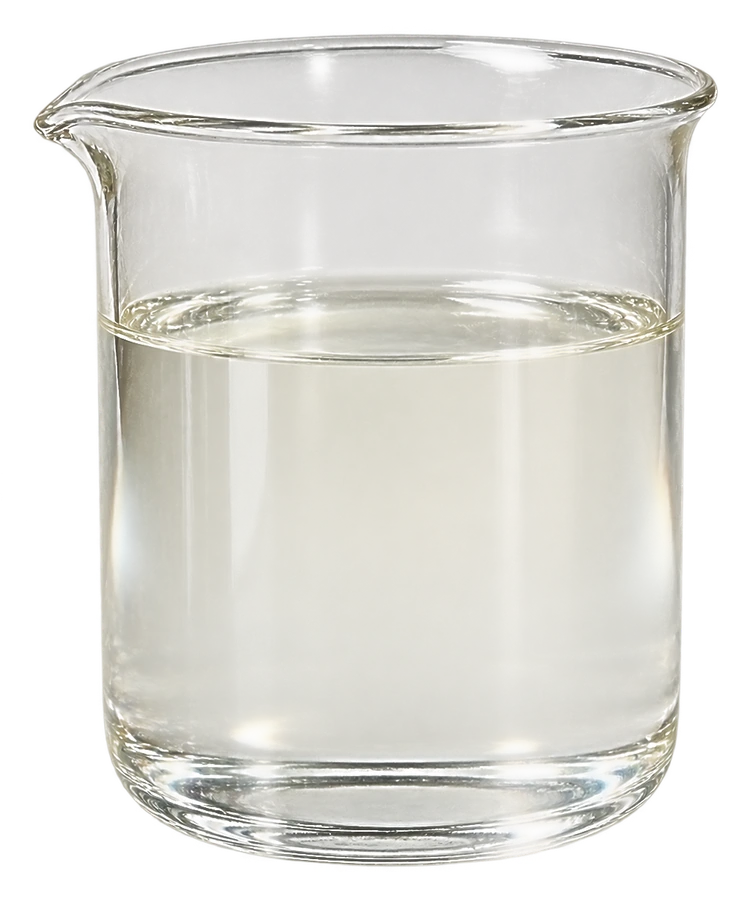

Image credits Laboratory glass samples are made from reference photos on Wikimedia Commons by Chemik10 (CC BY-SA 2.5) and a CC0 petroleum sample photo. Photograph: made from a reference photo by Geossegawa, CC BY 4.0, via Wikimedia Commons.
Stir the liquid to feel how thick it is
Move the mouse or a finger across the liquid. Press and drag to stir harder. Keyboard: arrow keys stir, Space shakes.
Thin Light and free flowing. Waves travel quickly and fade slowly.
Typical viscosity from the dataAbout 1 to 2 mm2/s at 40 C (varies)
- Stir speed
- 0 px/s
- Liquid movement
- 0%
- Settled after
- -
- Surface
- Still
The class is a guide for feel. The viscosity figure shown is the one in the specification data.
How it looks
Clear, colourless
Where it is used
- Lamp fuel
- Cooking stoves
- Space heaters
- Solvent and cleaning (limited)
Handling and safety
- Stored in sealed containers; keep clean and water free.
- Flammable liquid; toxic if swallowed (aspiration hazard).
Typical properties
- Appearance
- Clear, colourless
- Density at 15 °C
- 780 to 830 kg/m³
- Boiling range
- 150 to 300 °C
- Flash point
- 38 C or higher (typical)
- Viscosity
- About 1 to 2 mm2/s at 40 C (varies)
- Pour point
- Freezing point about minus 40 C for 1-K
- Typical sulphur
- Low, often below 0.04 % m/m for K-1 type
◉What it is
Illuminating kerosene is a middle distillate that burns with a clean flame. It is used for lighting, cooking and space heating in regions without gas or electricity. Specifications focus on smoke point (how tall a flame burns without smoking), sulphur and flash point. In the US the grades K-1 and K-2 are used. It has been largely replaced by LPG and electricity in many markets, but remains important in parts of Africa, South Asia and the Middle East.
⬡What it is made of
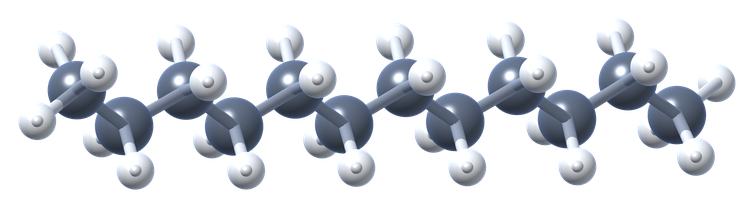
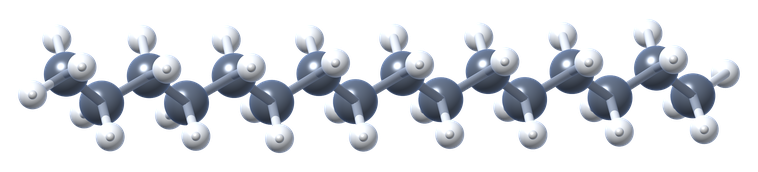
C9 to C16 paraffins, naphthenes and some aromatics.
⚛The chemistry
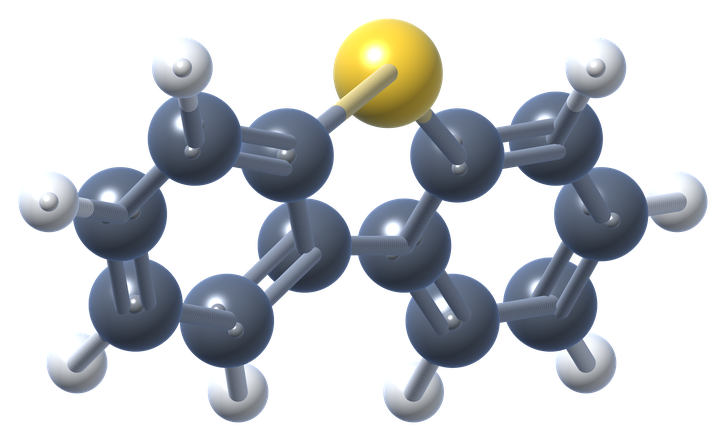
Straight and branched alkanes burn cleanly, while aromatics make a smoky flame and are limited by smoke point. Sulphur is low to prevent odour and corrosion.
⚙How it is made
Straight-run kerosene from atmospheric distillation, hydrotreated or sweetened.
▶How it works
Capillary action pulls kerosene up a wick, where heat vaporises it for burning. Smoke point determines flame quality.
▣Storage, loading and inspection
Stored in sealed containers; keep clean and water free.
★Why it matters in the Gulf
Illuminating kerosene is a small market in the region. Local sales details vary and are not stated.
Key molecules
Standards and specifications
| ASTM D3699 | Specification for kerosene, Grades 1-K (below 0.04% sulphur) and 2-K (about 0.3% sulphur). |
|---|---|
| BS 2869 Class C1 | UK kerosene specification for lanterns, camping stoves and wick heaters. |
Hazards
Flammable liquid; toxic if swallowed (aspiration hazard).
How it is traded
Units
Metric tonnes or litres
Benchmarks
Platts kerosene assessments, linked to jet fuel
Typical cargo
Coastal tankers or drums
Incoterms
FOB, CFR
Notes
Market is smaller than jet fuel.
Refineries that make it: our suggestions
76 listed refineries make this product, 26 of them in the Gulf, Iran and Iraq. We rank Gulf plants first, then operating plants, then by capacity.
- 1Ruwais Refinery
 United Arab Emirates · 922,000 bpdLargest capacity among Gulf-first matchesGulf locationOperatingDeep conversionExport access
- 2Al-Zour Refinery
 Kuwait · 615,000 bpdGulf locationOperatingExport access
- 3Ras Tanura Refinery
 Saudi Arabia · 550,000 bpdGulf locationOperatingDeep conversionExport access
- 4SATORP Jubail Refinery Saudi Arabia · 465,000 bpdGulf locationOperatingDeep conversionExport access
- 5Petro Rabigh Refinery Saudi Arabia · 400,000 bpdGulf locationOperatingExport access
- 6Bapco Sitra Refinery
 Bahrain · 380,000 bpdGulf locationOperatingExport access




Terminals that handle it
- Port of Fujairah (anchorage and bunkering) United Arab Emirates
- Vopak Horizon Fujairah United Arab Emirates
- Bapco Sitra tank farm and marine terminal Bahrain
- VTTI Fujairah United Arab Emirates
- Al-Zour refinery tank farm and export facilities Kuwait
- Brooge Petroleum and Gas Investment (Fujairah Oil Industry Zone) United Arab Emirates



Did you know
💡 Smoke point measures how tall a flame burns without smoke.
💡 Kerosene molecules typically contain 6 to 20 carbon atoms, mostly 9 to 16 (Wikipedia).
Test yourself on Kerosene (illuminating)
Smoke point of kerosene measures:
More in this group
- Jet A-1
- Diesel EN 590 (10 ppm)
- Ultra Low Sulphur Diesel (ULSD)
- Gasoil 500 ppm
- Gasoil 50 ppm
- Heating Oil
- Automotive Gasoil (AGO)
- Red Diesel (Marked Diesel)
- Marine Gasoil MGO (DMA)
- Marine Diesel DMB
- LSMGO (0.1% Sulphur ECA Fuel)
- Biodiesel Blends (FAME, B7 to B20)
Sources
Written in PST's own words from the sources above. Confidence in the data: medium. Typical values vary by origin and contract, so always read the specification in your own contract.